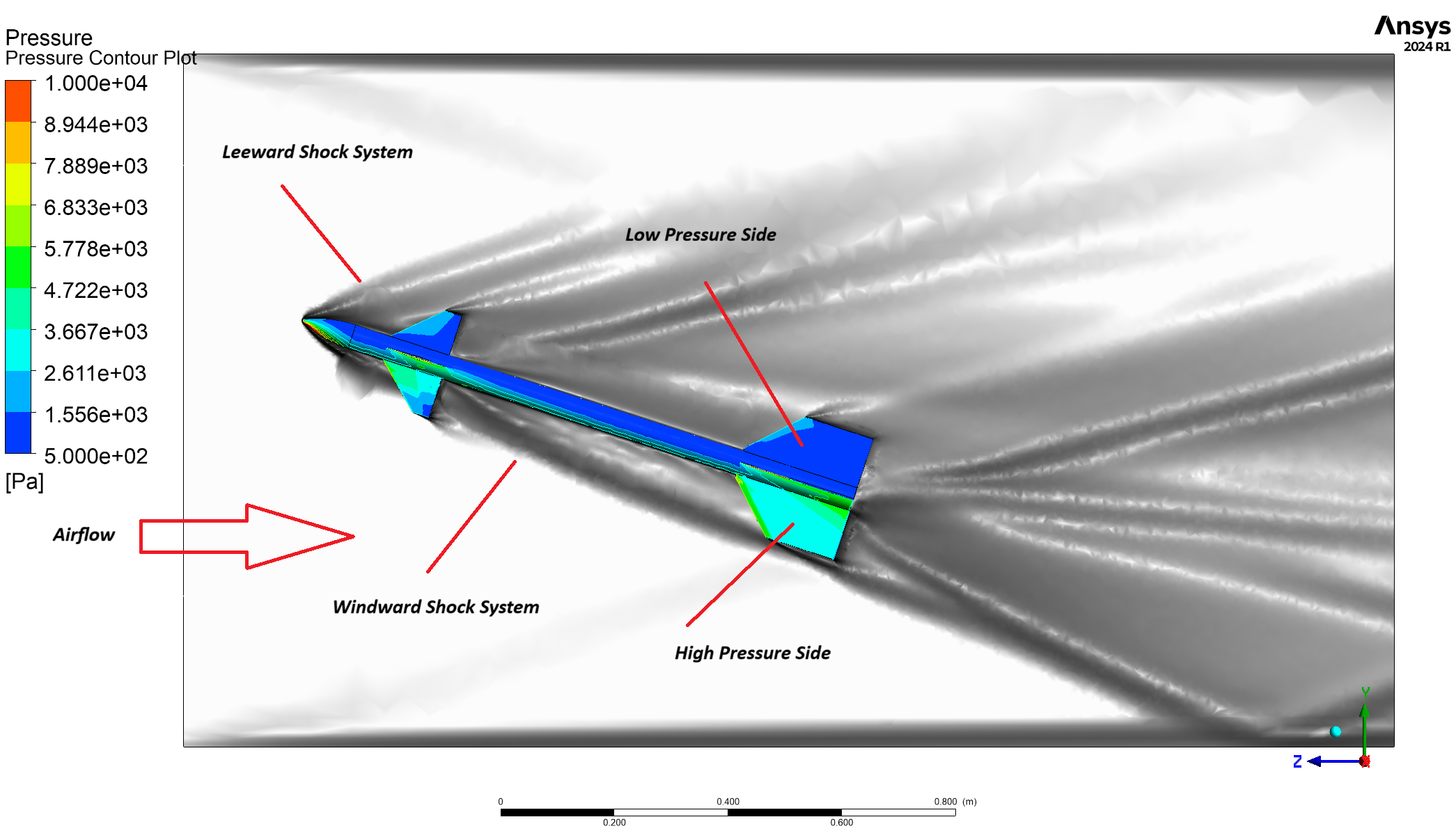
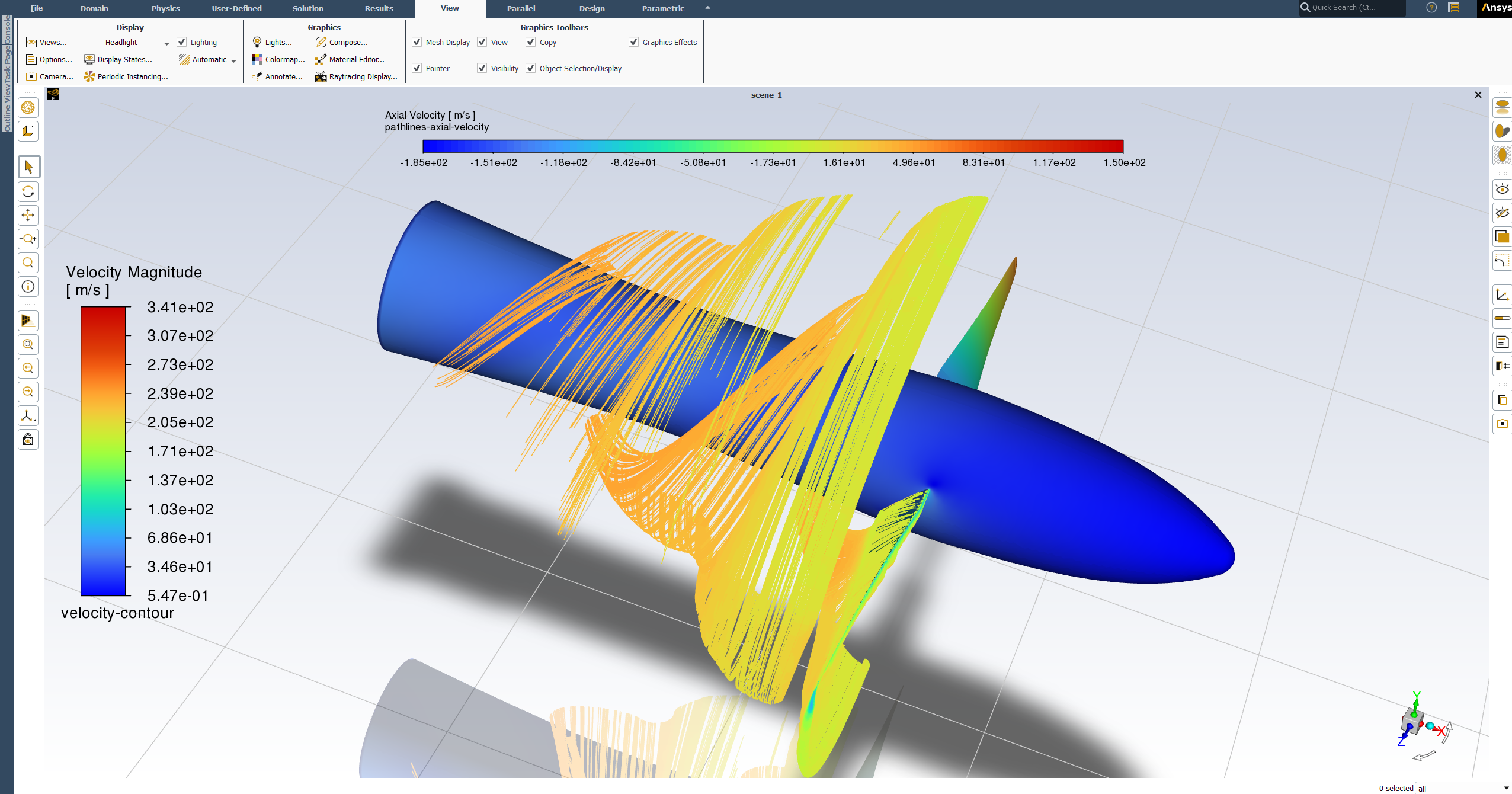
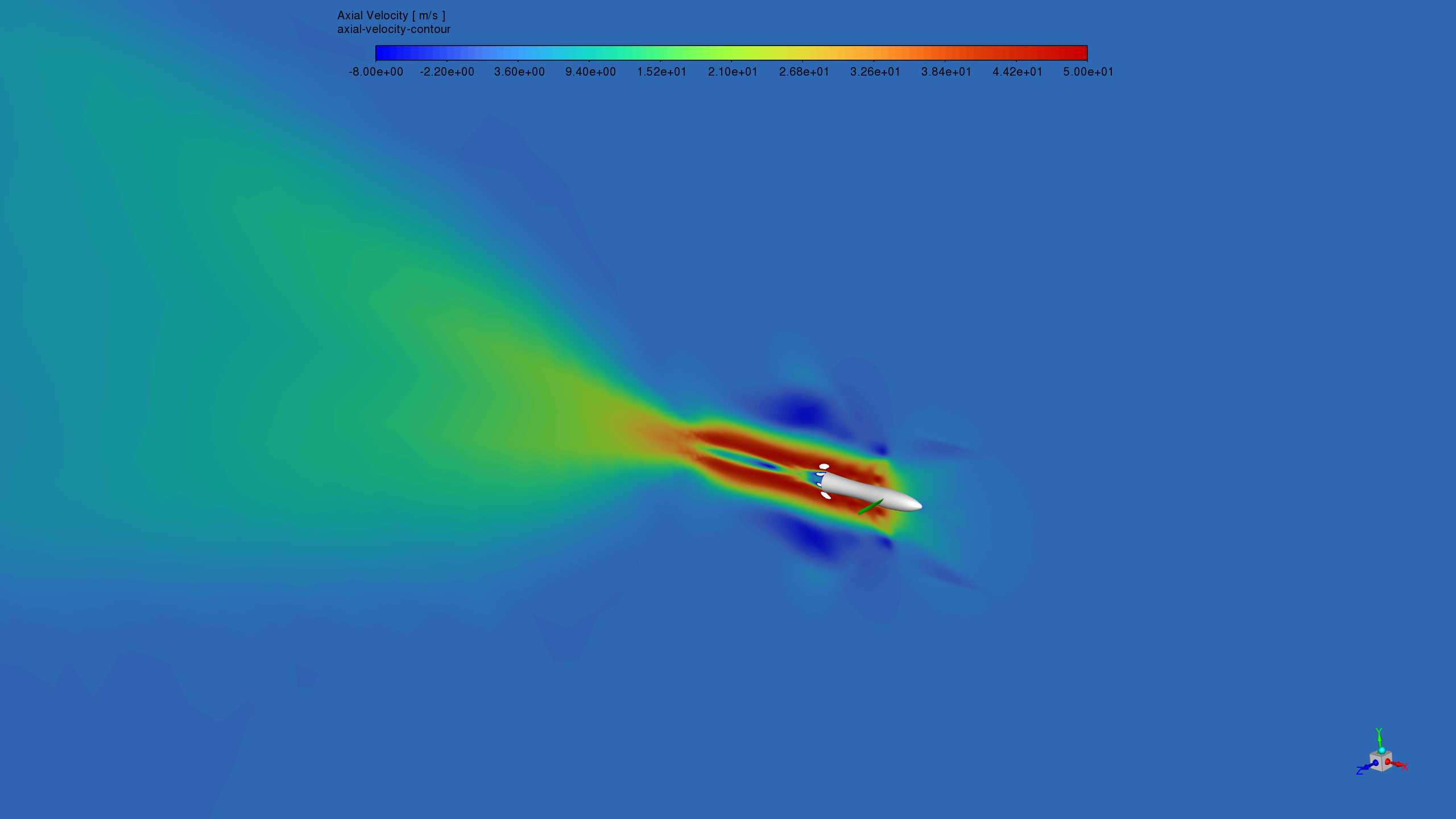
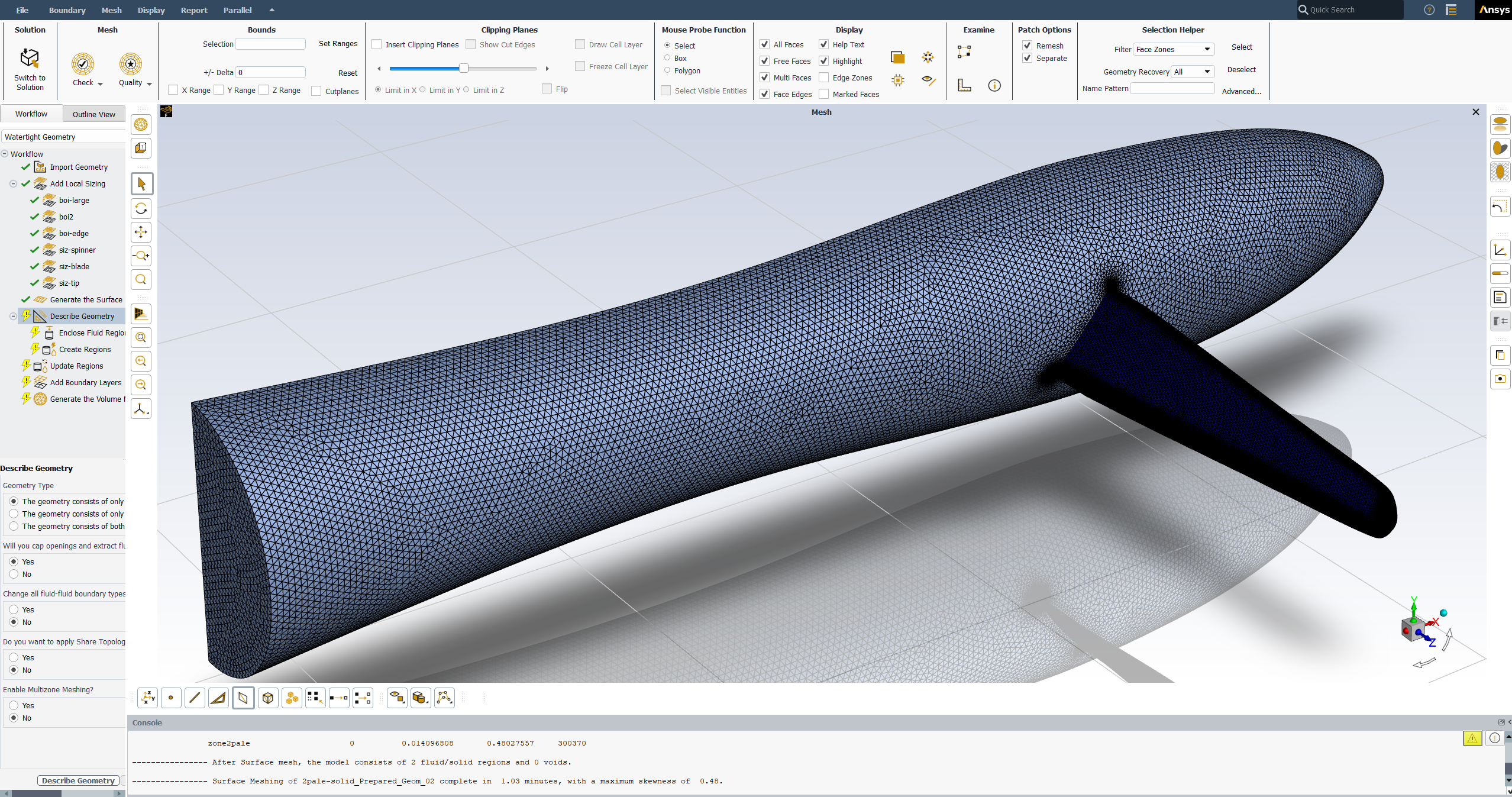
This is where the real engineering begins. In Part 1 we built the mesh. Now in Part 2 we bring it to life. This project walks you through the complete simulation workflow for the NASA Canard Control Missile at Mach 3.5 and 18 degrees angle of attack, from configuring the solver and applying boundary conditions derived from isentropic flow relations, all the way to computing aerodynamic force coefficients and comparing them against real NASA wind tunnel experimental data. What makes this project stand out is the validation. You will not just run a simulation and look at colorful contour plots. You will use the provided formulas to convert your solver outputs into measurable aerodynamic coefficients and check them against published NASA data, which is exactly how CFD is done in the aerospace industry. This is Part 2 of a two-part series. Part 1 covers high quality mesh generation using custom console commands.