From Wiring Diagram to Harness: Complete Siemens NX Electrical Routing (Live 4-Day Class)
Live class
Skills That Let You Design, Simulate, and Ship Real Work
From landing your first engineering role to developing your own product from the ground up-the skills you build here travel with you. Our engineering team brings 15+ years of hands-on industry experience into every guided project and learning path, covering CFD, FEA, CAD, GD&T, and design for manufacturing. Theory is taught the right way-grounded in real problems-until it becomes something you can actually use on the job.
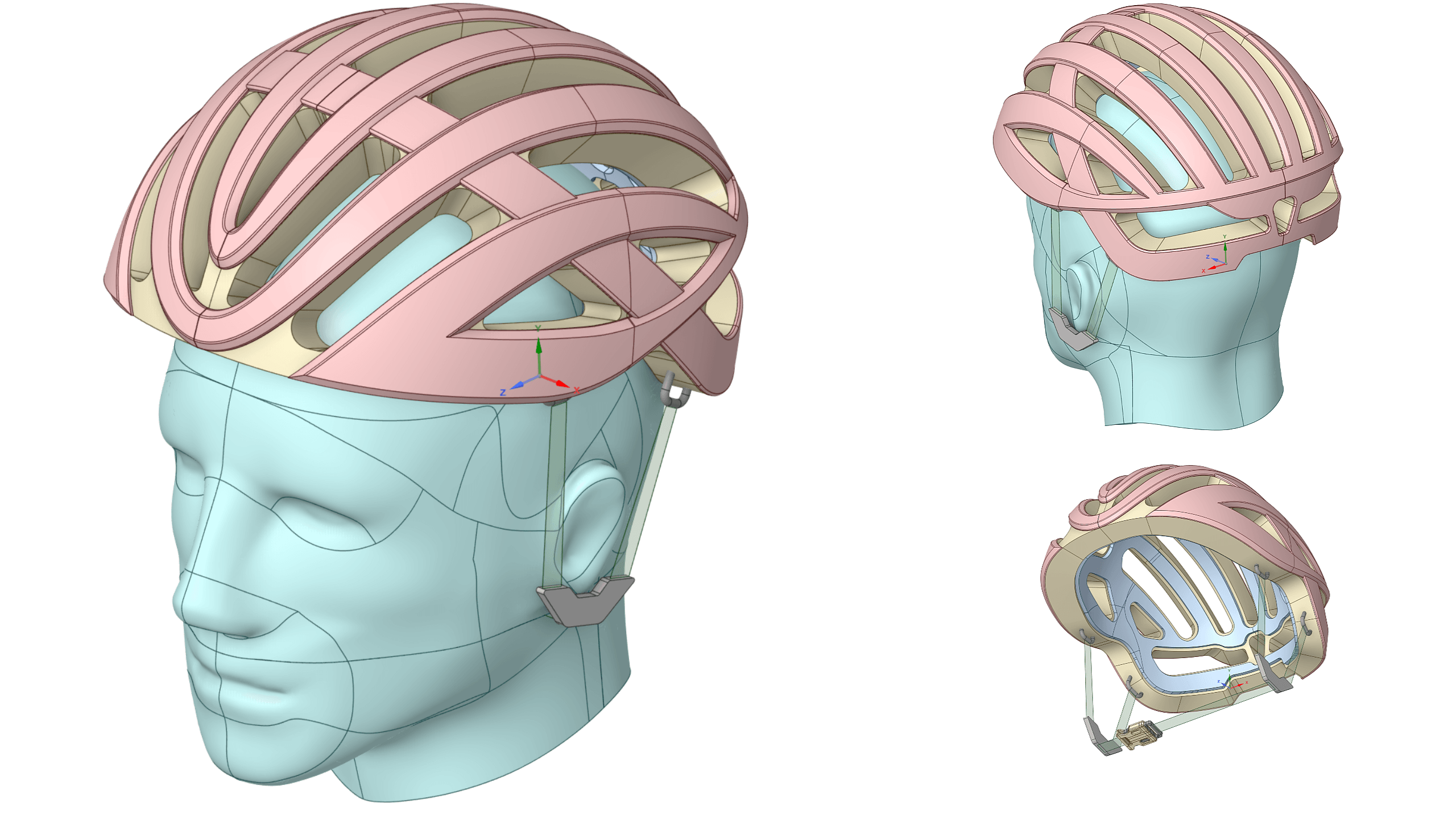
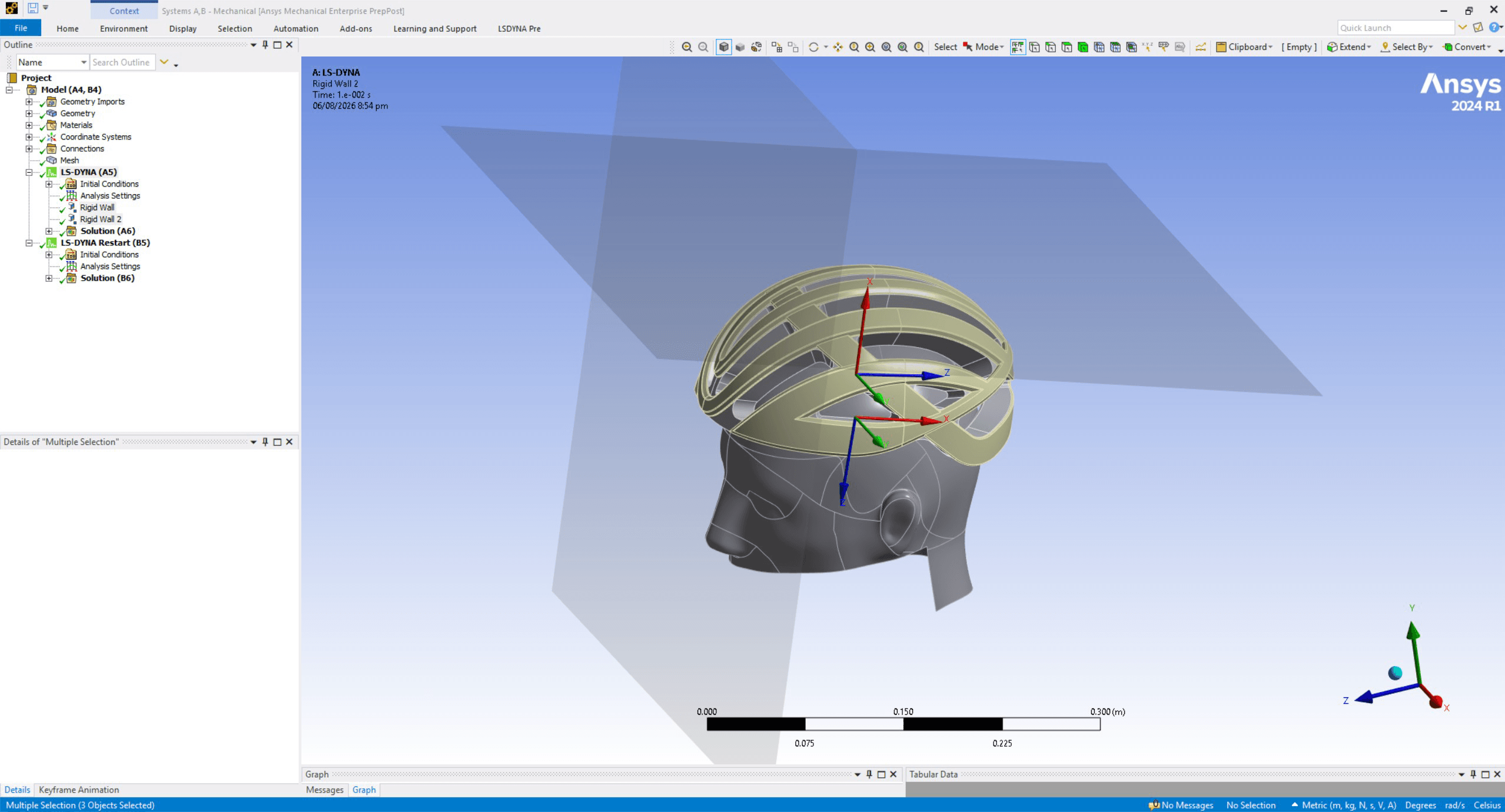
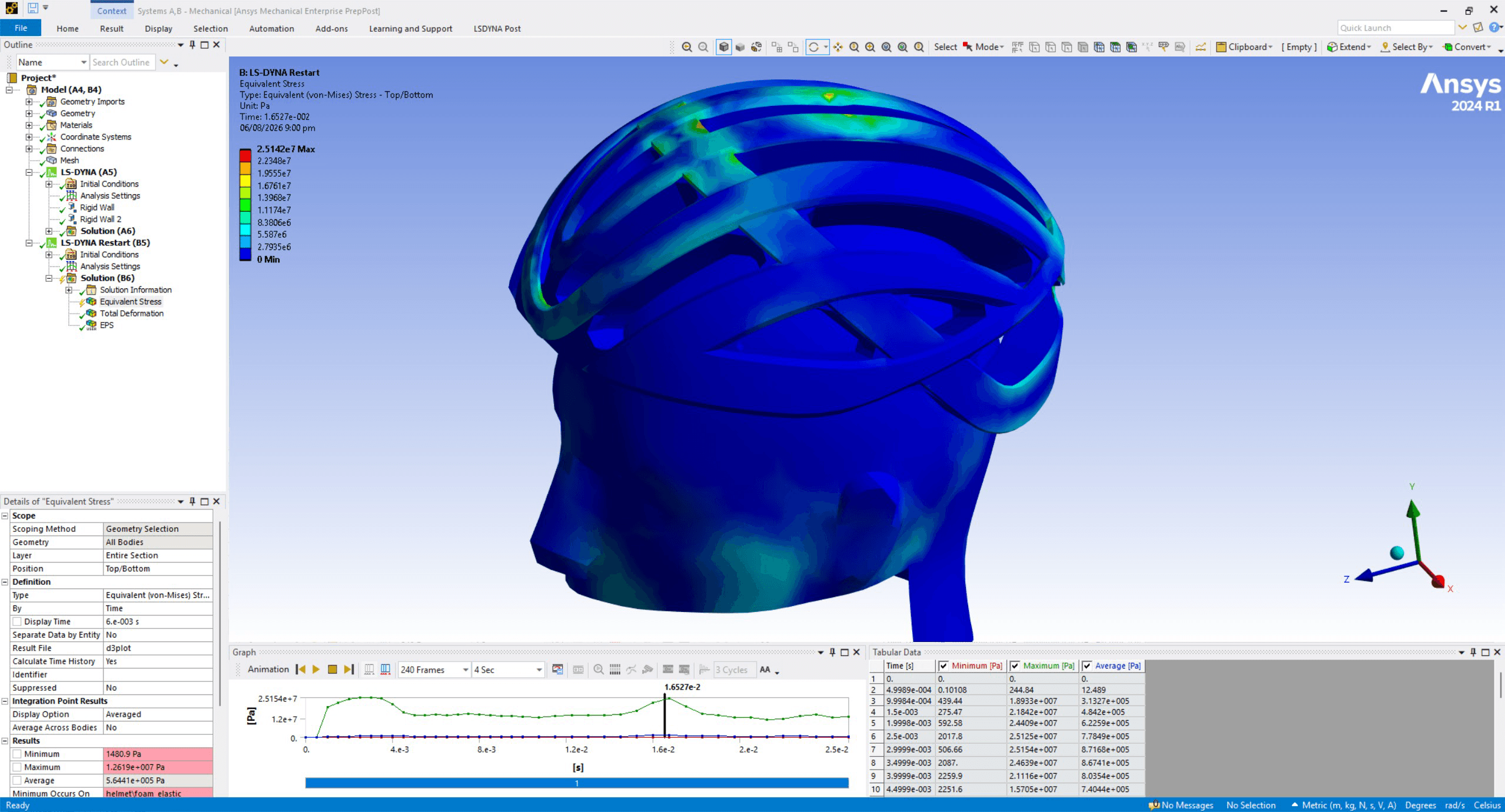
Bicycle Helmet Drop & Multiple Impact Simulation – Explicit Dynamics Workflow in Ansys LS-Dyna
Complete bicycle helmet drop and multi-impact explicit dynamics workflow in Ansys Workbench LS-Dyna - materials, rigid wall setup, energy validation, and sequential restart impacts.
$30USD
9 min video
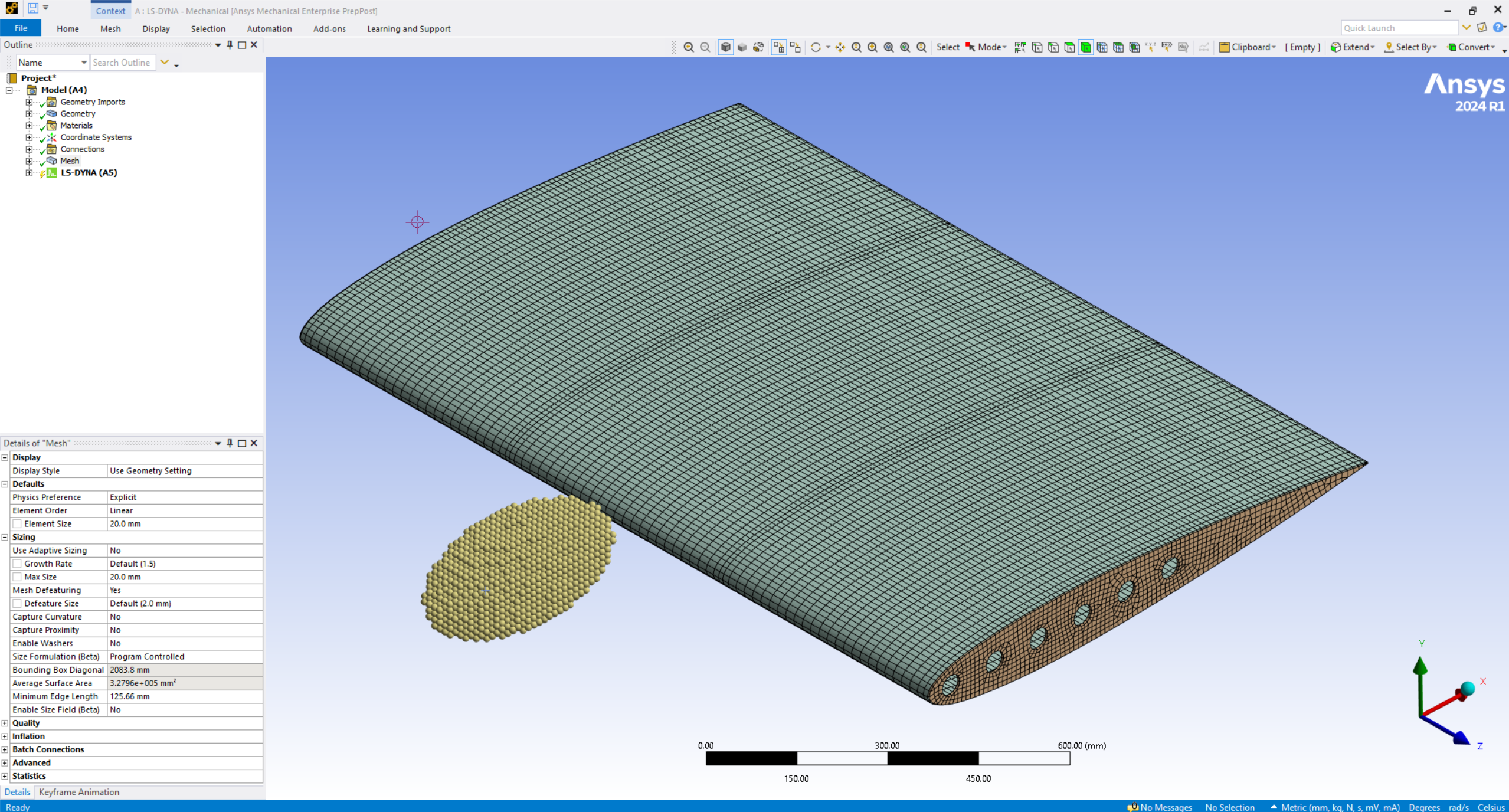
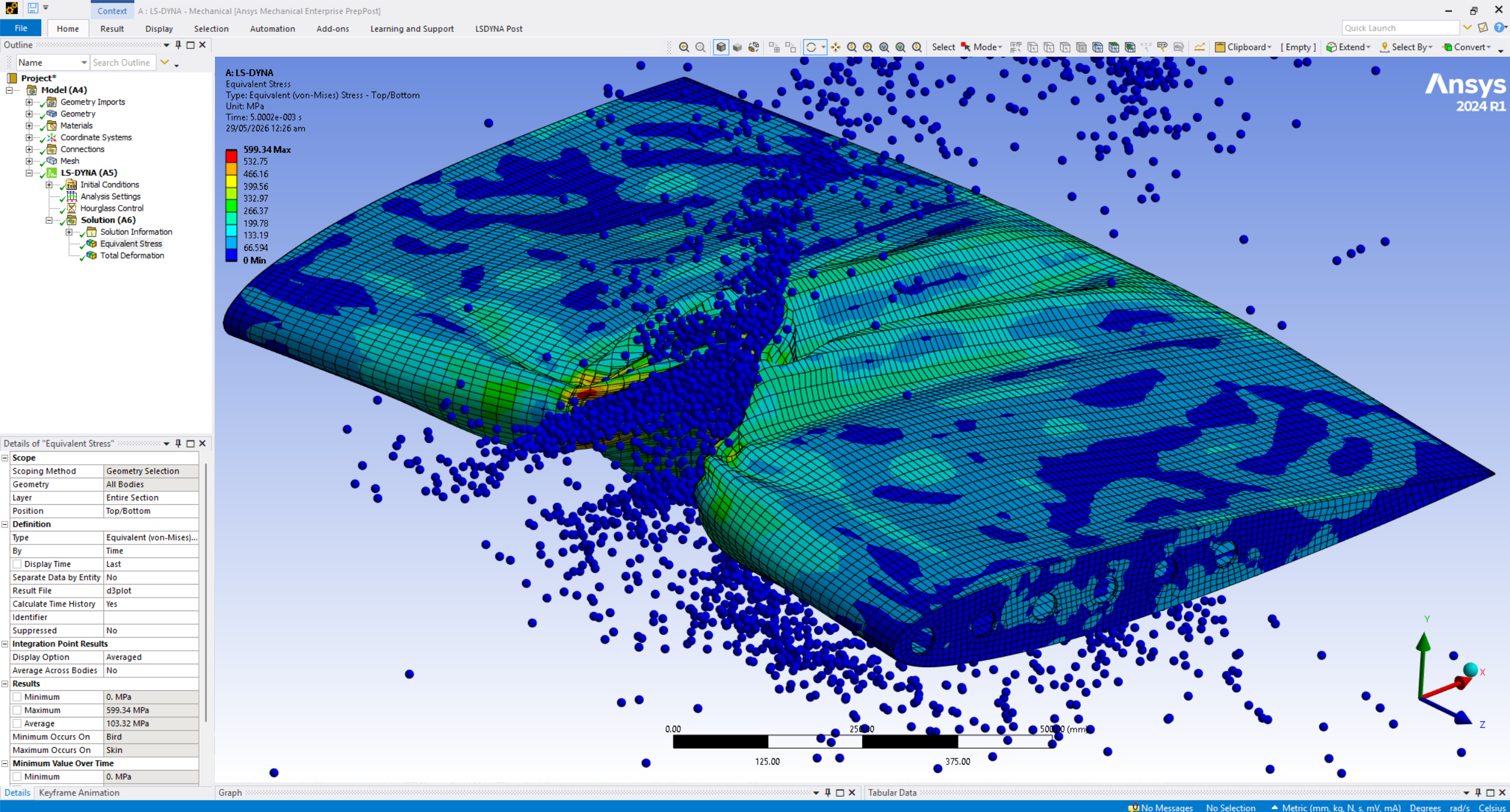
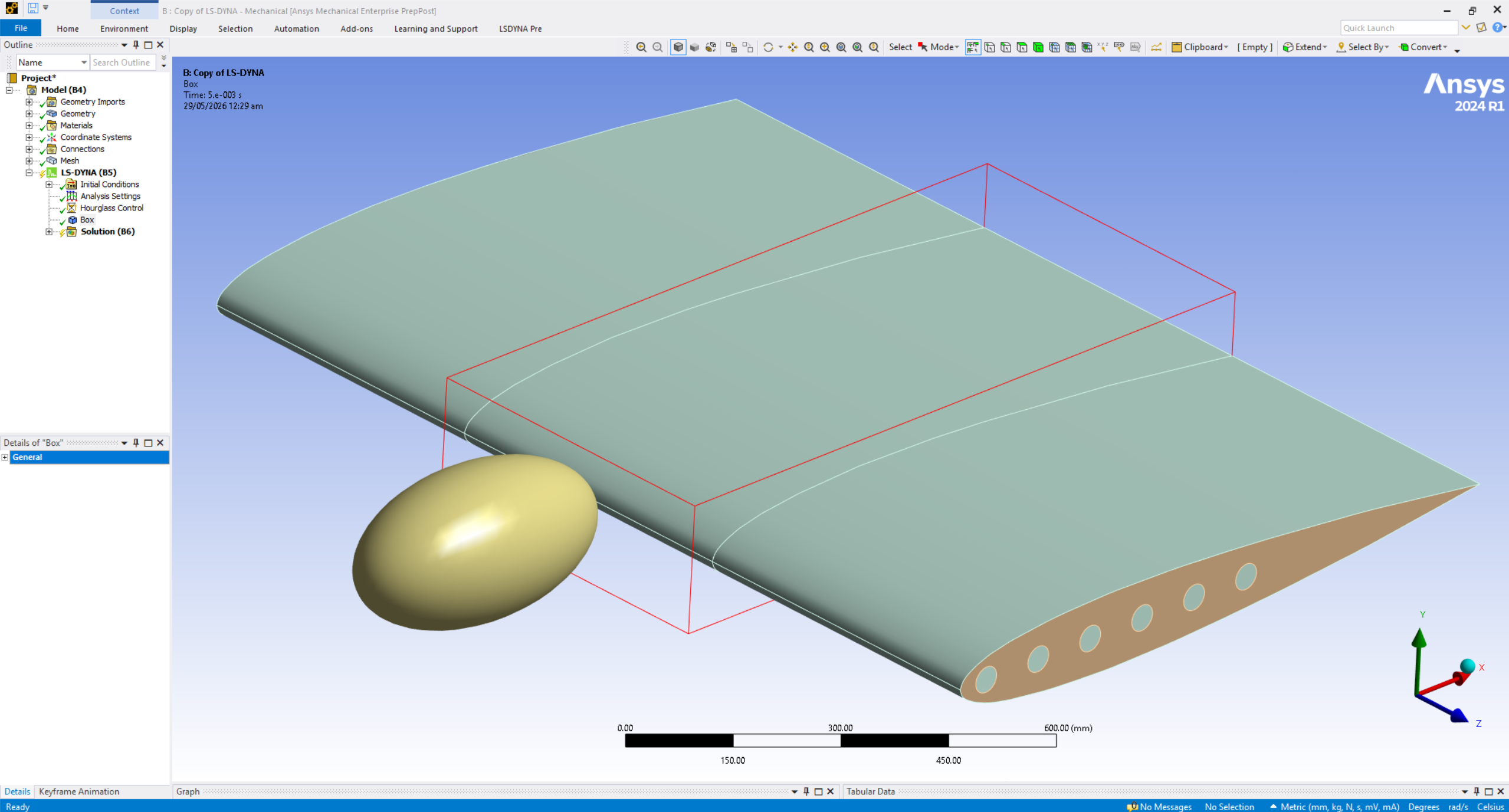
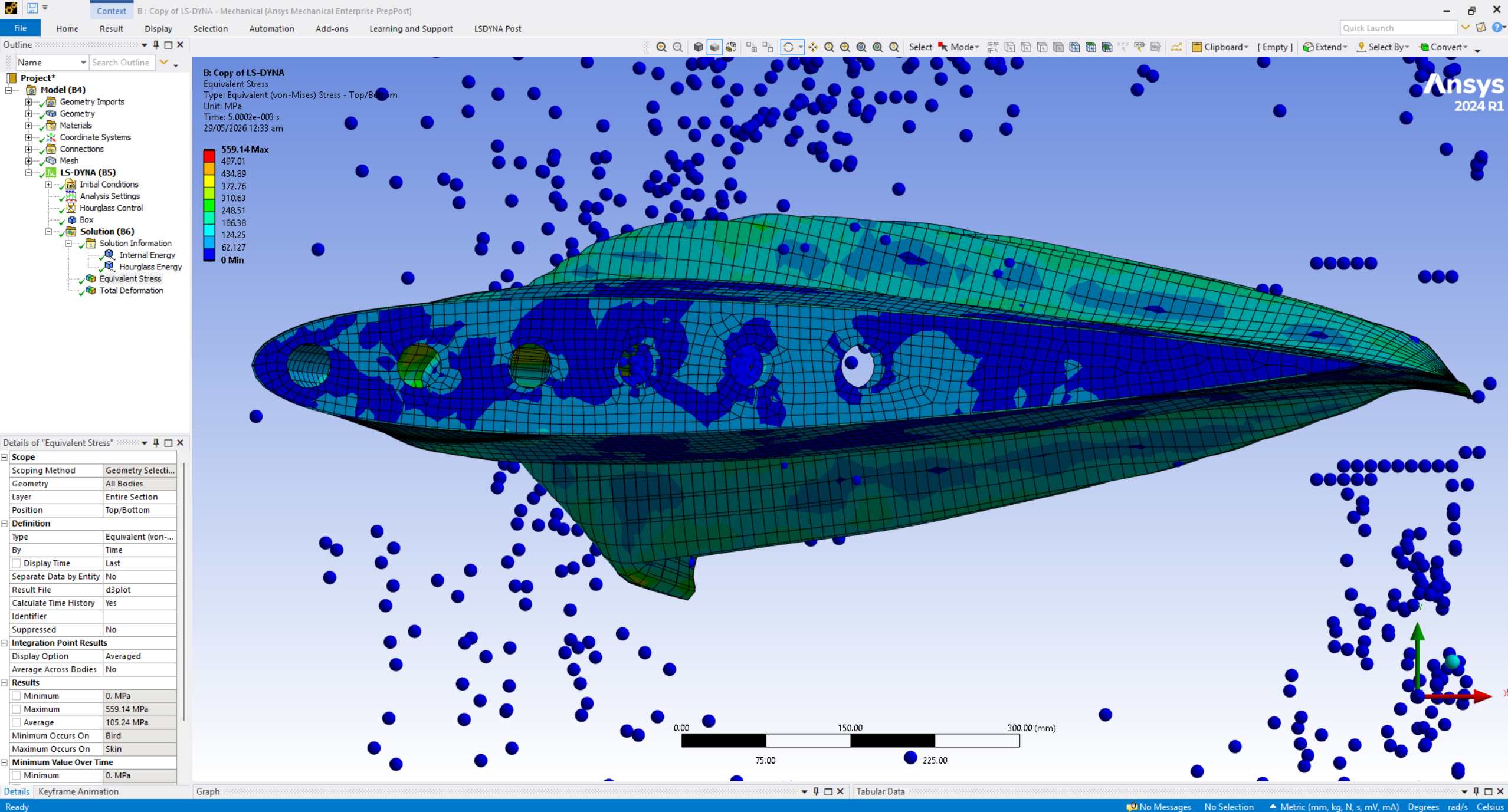
Bird Strike Analysis on Airfoil – SPH Workflow in Ansys LS-Dyna
Production-level SPH bird strike simulation on an airfoil in Ansys LS-Dyna - the same explicit dynamics methodology used for aerospace impact and crashworthiness certification.
$30USD
32 min video
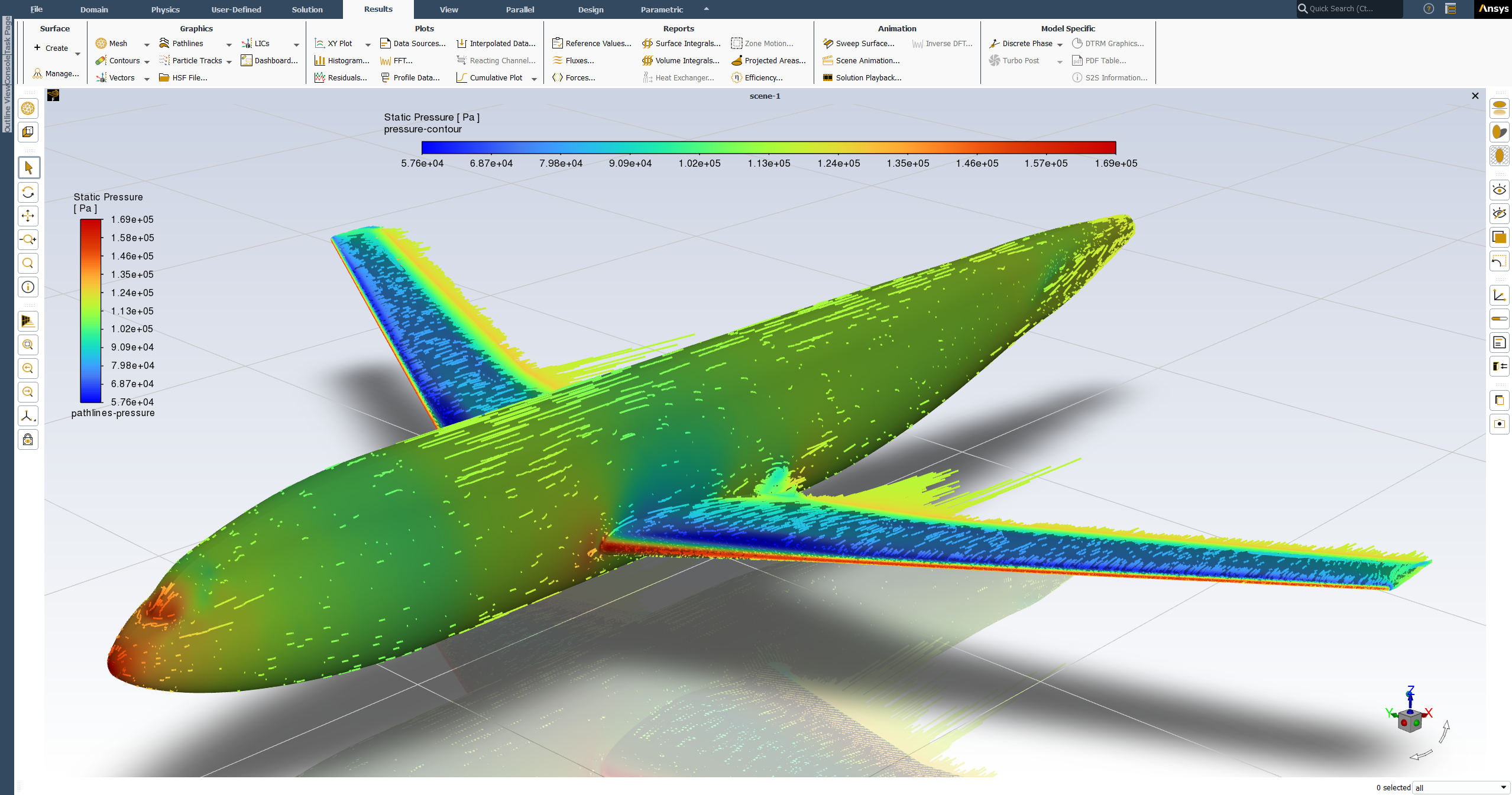
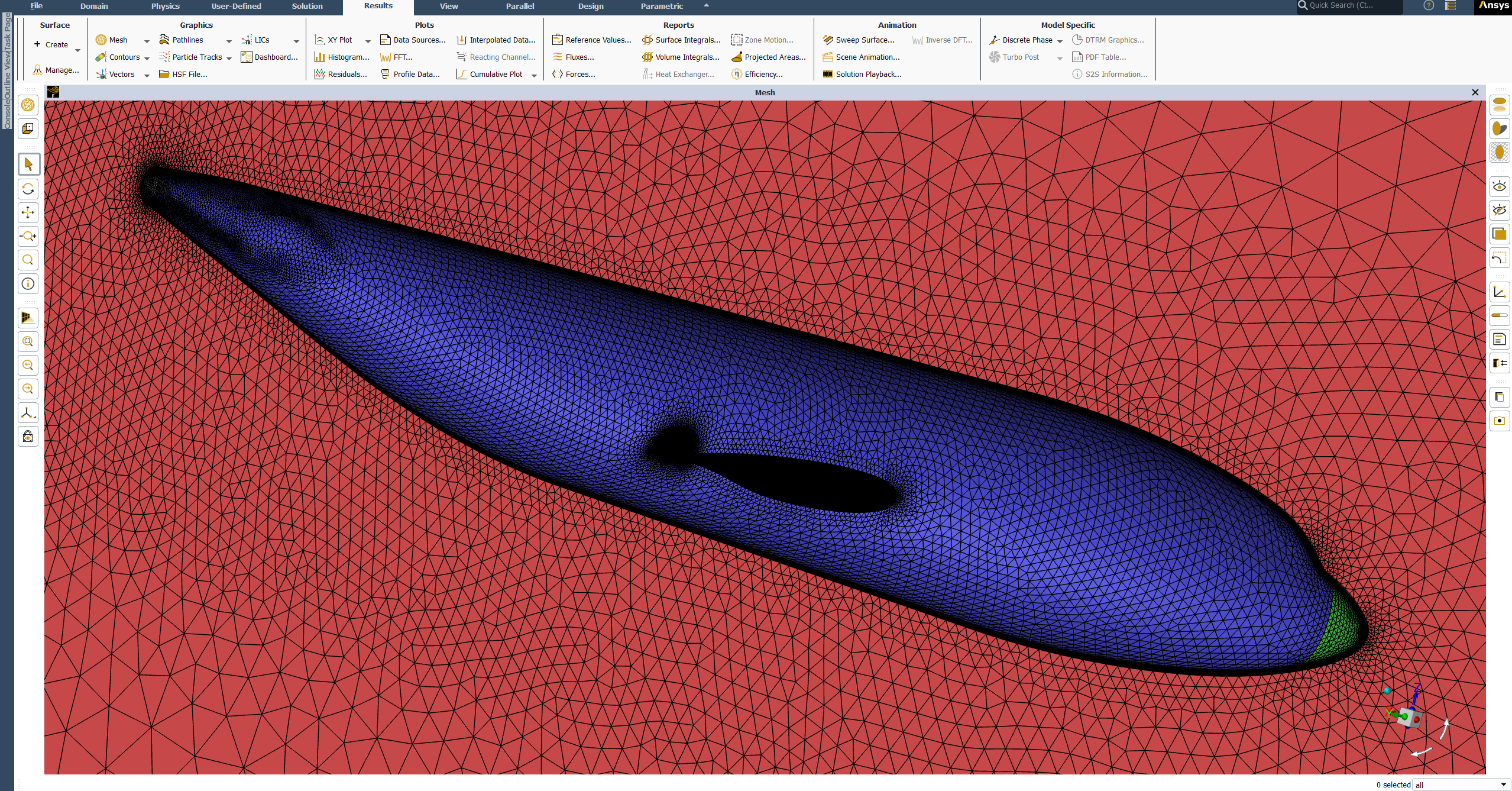
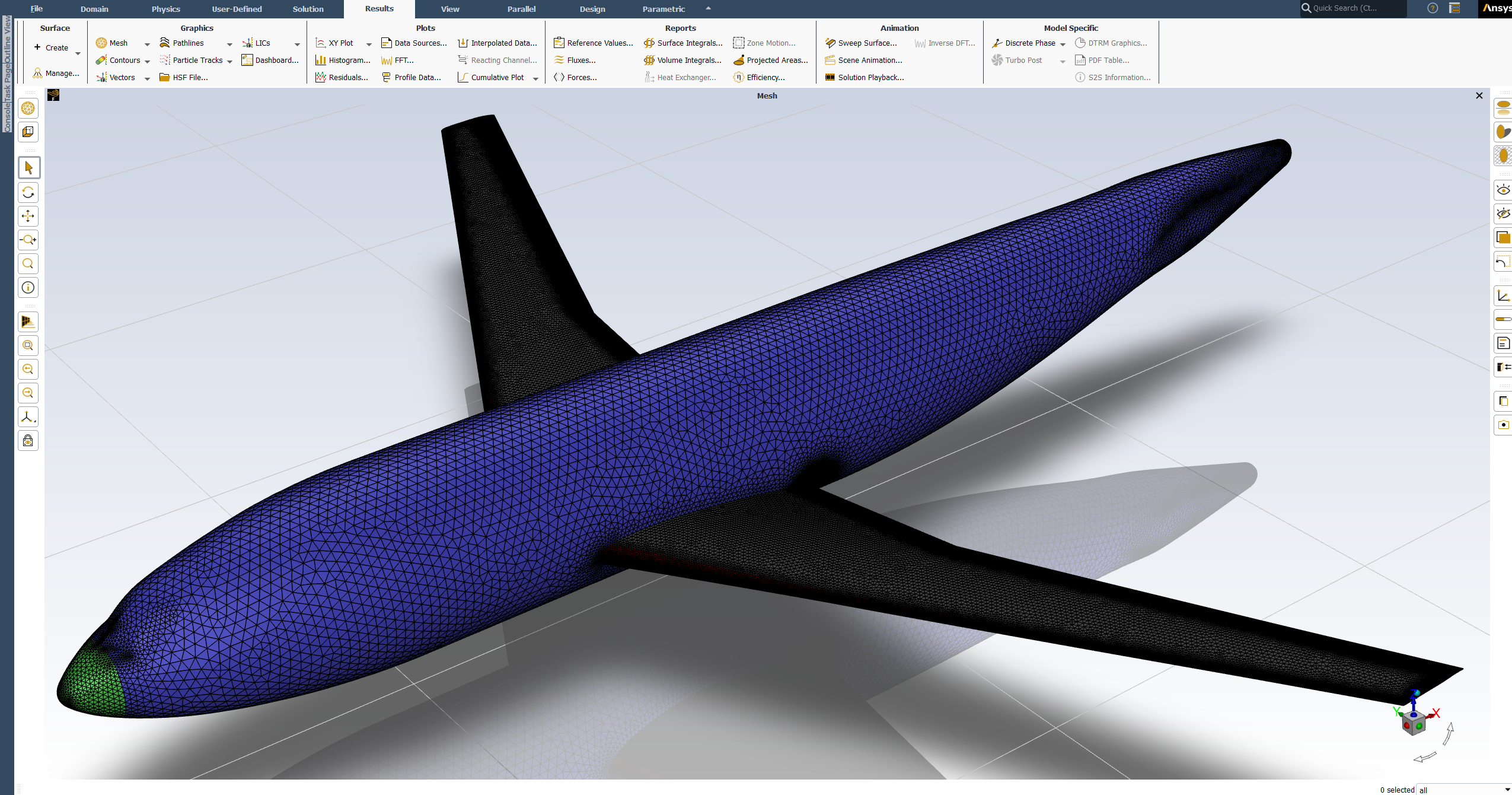
DLR-F6 Wing-Body External Aerodynamics - Full CFD Simulation Workflow in ANSYS Fluent
Production-ready DLR-F6 wing-body external aerodynamics CFD - geometry preparation through solver setup, post-processing, and experimental validation with y⁺ ≤ 1 transition modeling.
$50USD
19 min video
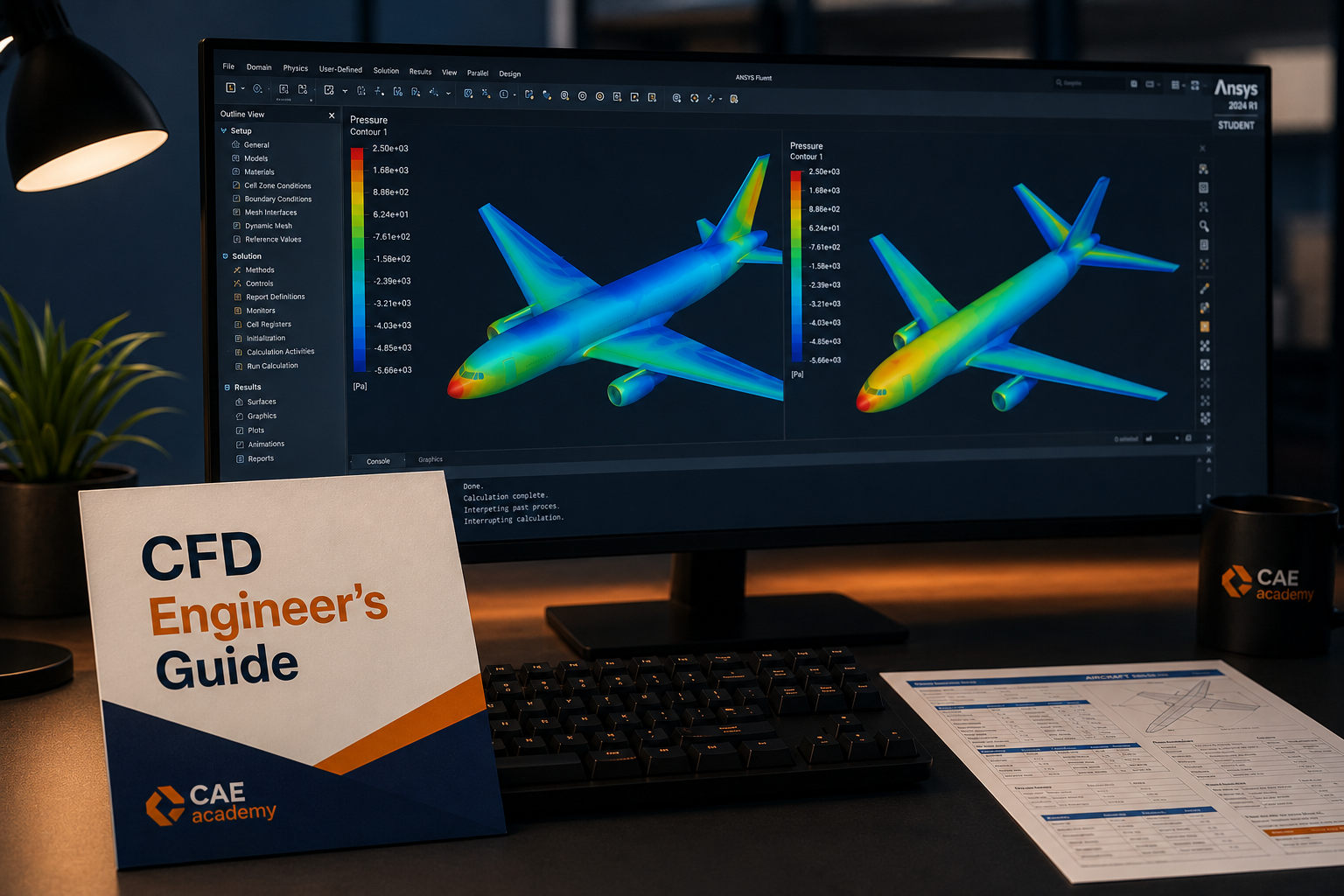
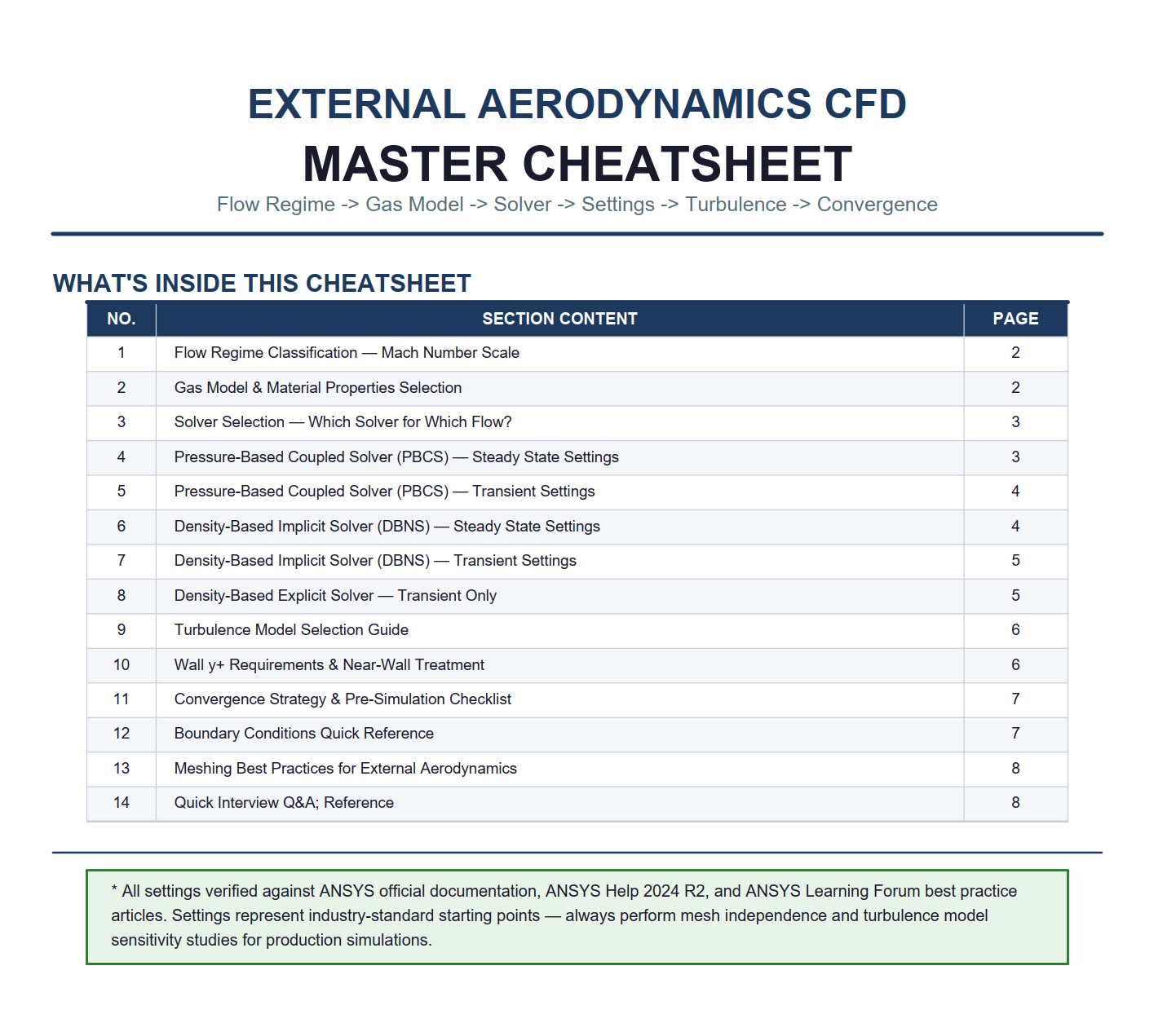
External Aerodynamics CFD Decoded - Pre-Simulation Knowledge, Industry Best Practices & Interview Preparation Guide
Pre-simulation decision framework for external aerodynamics CFD - flow regime classification, solver and turbulence selection, convergence strategy, and interview preparation.
$30USD
LEARNING PATH · 6 PROJECTS
Zero to CFD Simulation Engineer
Industry-Grade External Aerodynamics - Geometry to Experimental Validation
Master external aerodynamics CFD from foundational theory through transonic, supersonic, and rotating machinery workflows - ending with industry-grade validation against experimental data.
ANSYS Fluent | Subsonic to Supersonic | Mesh Generation to Result Validation | Industry Best Practices
All 6 projects · Save $60 vs individual purchase | Full workflow: Geometry → Mesh → Solver → Validation → FSI
About Mechtasia
We teach engineering the way it gets built.
Mechtasia is an engineering learning platform built by engineers, for engineers. Every guided project and learning path is designed around real industry problems-the kind you encounter in automotive, aerospace, chemical, and defense hardware programs. Whether you want to get hired, develop your own product, or take a concept all the way through to manufacture, this is the place to build the skills that make it possible.
1,000+
Students
4.97
Avg. rating
9
Projects
15+ yrs
Industry
STUDENT VOICES
What working engineers say about learning with Mechtasia.
What sold me on the bundle wasn't the discount, it was the order. Subsonic to supersonic to rotating machinery, each project actually builds on the meshing decisions from the one before it. I stopped restarting from zero every time
AR
Aisha Rahman
Junior Mechanical Engineer · Karachi
↳ CFD Learning Path
I'd done bits of external aero before but never had a reason to learn the whole workflow end to end. Finishing all five projects and getting the certificate is the first thing on my CV that a hiring manager actually stopped to ask about.
ML
Marcus Lindqvist
Test Engineer · Gothenburg
↳ CFD Learning Path
The path assumes you'll put in real hours, this isn't a weekend watch-and-forget series. But going from a basic aerodynamics course to validating against NASA wind tunnel data by project four is a jump I didn't think I'd make this fast.
PS
Priya Subramanian
Product Designer · Bangalore
↳ CFD Learning Path
This is the benchmark case every transonic CFD engineer eventually has to run, and most tutorials skip straight to the solver. This one doesn't. The geometry prep and meshing sections alone cleared up mistakes I'd been making for two years.
DK
Daniyal Khan
Harness Engineer · Abu Dhabi
↳ DLR - F6 Project
Mach 3.5 with real CN/CA validation against published NASA data, not just a clean-looking contour plot with no way to check if it's actually right. This is the first supersonic course I've taken that treats validation as the whole point, not an afterthought.
EC
Elena Costache
CAE Engineer · Bucharest
↳ Nasa Canard Missile Project
SPH bird strike is one of those simulations everyone talks about but almost nobody actually walks through properly. This breaks down the explicit dynamics setup step by step instead of just showing a pretty impact animation at the end. First course that actually made the SPH particle setup make sense to me
TA
Tobi Adeyemi
Mechanical Graduate · Lagos
↳ Bird Strike Project
TEAM BACKGROUND
Built by engineers with production experience across key industries
Curriculum shaped by real day-to-day production work across automotive, aerospace, and defense hardware engineering workflows.
Automotive
Aerospace
Defense
CAD / CAE
Manufacturing
Skills That Let You Design, Simulate, and Ship Real Work
From landing your first engineering role to developing your own product from the ground up-the skills you build here travel with you. Our engineering team brings 15+ years of hands-on industry experience into every guided project and learning path, covering CFD, FEA, CAD, GD&T, and design for manufacturing. Theory is taught the right way-grounded in real problems-until it becomes something you can actually use on the job.
Bicycle Helmet Drop & Multiple Impact Simulation – Explicit Dynamics Workflow in Ansys LS-Dyna
Complete bicycle helmet drop and multi-impact explicit dynamics workflow in Ansys Workbench LS-Dyna - materials, rigid wall setup, energy validation, and sequential restart impacts.
$30USD
9 min video
Bird Strike Analysis on Airfoil – SPH Workflow in Ansys LS-Dyna
Production-level SPH bird strike simulation on an airfoil in Ansys LS-Dyna - the same explicit dynamics methodology used for aerospace impact and crashworthiness certification.
$30USD
32 min video
DLR-F6 Wing-Body External Aerodynamics - Full CFD Simulation Workflow in ANSYS Fluent
Production-ready DLR-F6 wing-body external aerodynamics CFD - geometry preparation through solver setup, post-processing, and experimental validation with y⁺ ≤ 1 transition modeling.
$50USD
19 min video
External Aerodynamics CFD Decoded - Pre-Simulation Knowledge, Industry Best Practices & Interview Preparation Guide
Pre-simulation decision framework for external aerodynamics CFD - flow regime classification, solver and turbulence selection, convergence strategy, and interview preparation.
$30USD
LEARNING PATH · 6 PROJECTS
Zero to CFD Simulation Engineer
Industry-Grade External Aerodynamics - Geometry to Experimental Validation
Master external aerodynamics CFD from foundational theory through transonic, supersonic, and rotating machinery workflows - ending with industry-grade validation against experimental data.
ANSYS Fluent | Subsonic to Supersonic | Mesh Generation to Result Validation | Industry Best Practices
All 6 projects · Save $60 vs individual purchase | Full workflow: Geometry → Mesh → Solver → Validation → FSI
About Mechtasia
We teach engineering the way it gets built.
Mechtasia is an engineering learning platform built by engineers, for engineers. Every guided project and learning path is designed around real industry problems-the kind you encounter in automotive, aerospace, chemical, and defense hardware programs. Whether you want to get hired, develop your own product, or take a concept all the way through to manufacture, this is the place to build the skills that make it possible.
1,000+
Students
4.97
Avg. rating
9
Projects
15+ yrs
Industry
STUDENT VOICES
What working engineers say about learning with Mechtasia.
What sold me on the bundle wasn't the discount, it was the order. Subsonic to supersonic to rotating machinery, each project actually builds on the meshing decisions from the one before it. I stopped restarting from zero every time
AR
Aisha Rahman
Junior Mechanical Engineer · Karachi
↳ CFD Learning Path
I'd done bits of external aero before but never had a reason to learn the whole workflow end to end. Finishing all five projects and getting the certificate is the first thing on my CV that a hiring manager actually stopped to ask about.
ML
Marcus Lindqvist
Test Engineer · Gothenburg
↳ CFD Learning Path
The path assumes you'll put in real hours, this isn't a weekend watch-and-forget series. But going from a basic aerodynamics course to validating against NASA wind tunnel data by project four is a jump I didn't think I'd make this fast.
PS
Priya Subramanian
Product Designer · Bangalore
↳ CFD Learning Path
This is the benchmark case every transonic CFD engineer eventually has to run, and most tutorials skip straight to the solver. This one doesn't. The geometry prep and meshing sections alone cleared up mistakes I'd been making for two years.
DK
Daniyal Khan
Harness Engineer · Abu Dhabi
↳ DLR - F6 Project
Mach 3.5 with real CN/CA validation against published NASA data, not just a clean-looking contour plot with no way to check if it's actually right. This is the first supersonic course I've taken that treats validation as the whole point, not an afterthought.
EC
Elena Costache
CAE Engineer · Bucharest
↳ Nasa Canard Missile Project
SPH bird strike is one of those simulations everyone talks about but almost nobody actually walks through properly. This breaks down the explicit dynamics setup step by step instead of just showing a pretty impact animation at the end. First course that actually made the SPH particle setup make sense to me
TA
Tobi Adeyemi
Mechanical Graduate · Lagos
↳ Bird Strike Project
TEAM BACKGROUND
Built by engineers with production experience across key industries
Curriculum shaped by real day-to-day production work across automotive, aerospace, and defense hardware engineering workflows.